Menu

The priorities

Growth with clear public benefits.

Every major decision should pass a simple test: does it lower pressure on families, create opportunity here, and deliver the basics?

The three-question test

01Does it make life more affordable?02Does it create opportunity here?03Does it deliver the basics?
01

Affordable Living

Keep housing, utilities, and everyday costs within reach.

  • Use City land and tools to expand attainable housing
  • Demand responsible utility rates, accurate billing, and public financial controls
  • Make new growth pay its fair share for roads, parks, safety, and services
  • Protect residents from displacement and support paths to homeownership
02

Good Local Jobs

Turn development into real career pathways for Banning residents.

  • Negotiate local hiring, apprenticeships, and paid-training commitments
  • Support small businesses and make City contracting easier to navigate
  • Measure development deals by wages, public return, and long-term value
  • Connect employers with Banning Unified, Mt. San Jacinto College, and workforce partners
03

Healthy Neighborhoods

Invest in the basics every block should be able to count on.

  • Publish a costed Eastside capital plan with dates and responsible departments
  • Repair streets and sidewalks and add shade and safer crossings
  • Protect clean air and evaluate cumulative impacts before approving development
  • Use public dashboards so residents can track promises, spending, and delivery

First-year agenda

What Chris will put on the public agenda.

One councilmember can’t deliver alone. One member can propose action, request public information, and press for clear votes.

01

First 100 days

Put the unfinished basics in public view.

Request a public inventory of missing sidewalks, streetlights, park needs, and unfunded Eastside projects, with a responsible department named for each item.

Measure: a published list with owners and status.
02

First budget

Put dates and dollars behind the work.

Advocate for a costed Eastside capital schedule that identifies projects, funding sources, delivery dates, and the public votes needed to move forward.

Measure: a budget line and project schedule residents can track.
03

First year

Report progress in public every quarter.

Publish a plain-language scorecard showing votes, dollars, deadlines, and whether each commitment is on track, delayed, or blocked.

Measure: four public updates in the first year.

The difference

Every promise needs a date, a budget, and someone responsible.

Chris will push for public goals and regular updates so residents can check the progress for themselves.

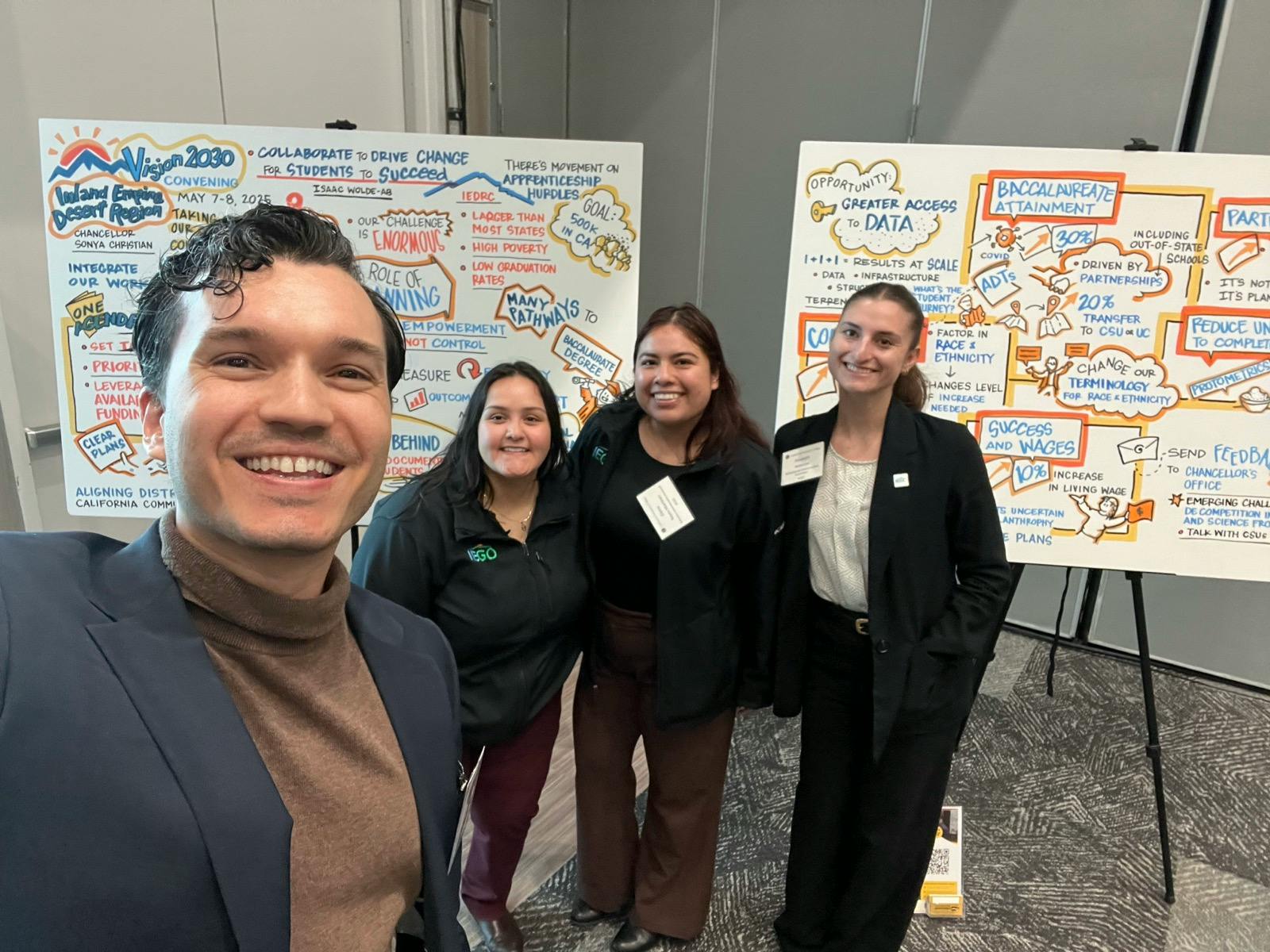
Chris with regional leaders discussing opportunity